
Introduction
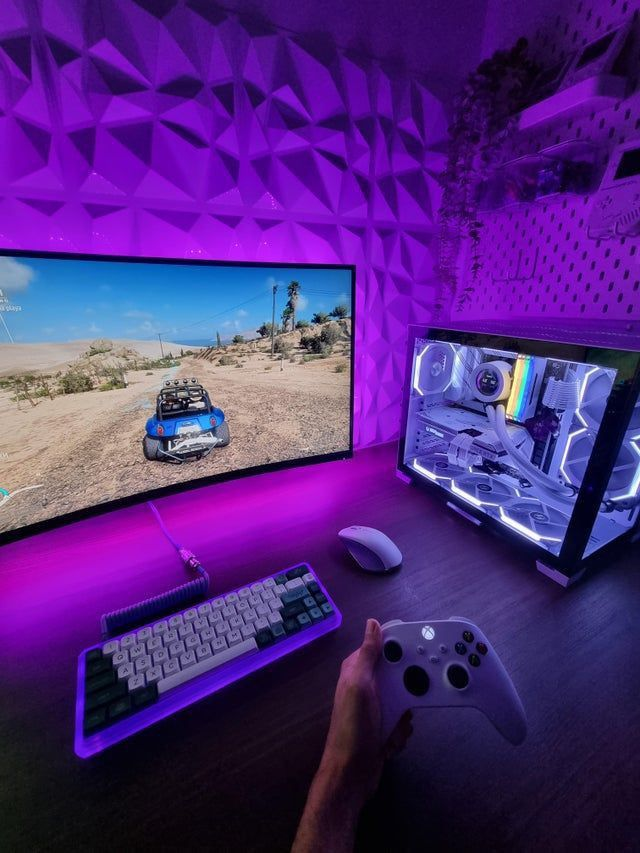
Online Games have become a major part of modern digital entertainment. With an internet connection and a compatible device, players can connect with friends, compete against other players, explore virtual worlds, and enjoy interactive experiences from almost anywhere. From simple browser-based games to large multiplayer titles, online gaming offers something for players with different interests and skill levels.
The growth of smartphones, computers, gaming consoles, and faster internet connections has made gaming more accessible than ever. Players can now enjoy competitive matches, cooperative adventures, strategy challenges, puzzles, sports games, and many other genres. This variety is one of the main reasons why online gaming continues to attract millions of players worldwide.
What Are Online Games?
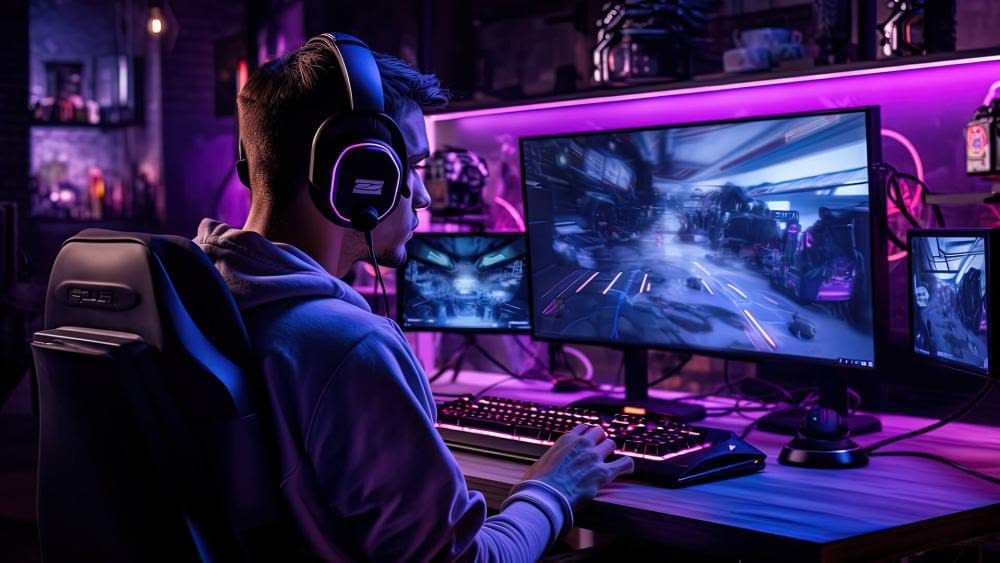
Online Games are digital games that use an internet connection to provide interactive features. Some games require players to connect to online servers, while others may offer optional multiplayer or online features.
Unlike traditional offline games, online titles can allow players to interact with real people. Depending on the game, users may compete individually, form teams, communicate through chat, complete missions together, or participate in large virtual communities.
Online gaming is available on many platforms, including:
- Desktop and laptop computers
- Smartphones and tablets
- Gaming consoles
- Web browsers
- Cloud gaming platforms
This flexibility makes online gaming suitable for casual players as well as people who spend more time developing their gaming skills.
Popular Types of Online Games
One of the biggest advantages of Online Games is the huge selection of genres available. Different types of games provide different experiences, so players can choose based on their interests.
Multiplayer Games
Multiplayer games allow several players to participate in the same gaming environment. Players can compete against one another or work together as a team. These games often emphasize communication, strategy, teamwork, and quick decision-making.
Strategy Games
Strategy games require players to think carefully before making decisions. Players may need to manage resources, build structures, plan attacks, or develop long-term strategies. These games can be useful for people who enjoy problem-solving and tactical challenges.
Sports Games
Sports-based games recreate popular activities such as football, basketball, racing, and other competitive sports in a digital environment. They are particularly popular among players who enjoy sports and competitive gameplay.
Puzzle Games
Puzzle games focus on logic, patterns, memory, and problem-solving. Many are designed for shorter sessions, making them a popular option for casual players.
Adventure and Role-Playing Games
Adventure and role-playing games can provide detailed stories, exploration, character development, and virtual worlds. Players may complete quests, discover new locations, and make decisions that influence their experience.
Why Are Online Games So Popular?
The popularity of Online Games is connected to several factors. First, online gaming provides convenience. Players do not always need specialized equipment because many games can be accessed through smartphones, browsers, or standard computers.
Another important factor is social interaction. Multiplayer games can allow friends and family members to play together even when they are physically far apart. Players can communicate, cooperate, and build communities around shared interests.
Competition also plays an important role. Some players enjoy improving their skills, reaching higher rankings, completing difficult challenges, or competing against opponents.
Modern games also offer increasingly engaging graphics, sound, storytelling, and gameplay mechanics. As technology continues to improve, developers can create more immersive digital experiences.
Benefits of Playing Online Games
When enjoyed responsibly, Online Games can provide several positive experiences.
Improved Problem-Solving
Many games require players to analyze situations and identify solutions. Strategy and puzzle-based games can encourage logical thinking and decision-making.
Teamwork and Communication
Multiplayer games often require players to communicate and cooperate. Team-based gameplay can encourage collaboration and strategic planning.
Entertainment and Relaxation
Gaming can be an enjoyable way to take a break from everyday activities. Casual games can provide entertainment during free time.
Skill Development
Certain games involve memory, coordination, planning, concentration, and reaction skills. Players may gradually improve these abilities through practice.
Social Connection
Online multiplayer communities can help players interact with people who share similar interests. Friends can use games as a way to stay connected and spend time together.
However, gaming should remain balanced with school, work, sleep, exercise, family responsibilities, and other offline activities.
How to Choose the Right Online Game
With thousands of options available, choosing a suitable game can sometimes be difficult. Players should consider several factors before starting a new title.
First, consider the genre. Someone who enjoys strategy may not enjoy a fast-paced action game, while a player interested in storytelling may prefer an adventure or role-playing experience.
The platform is another consideration. Check whether the game works on your computer, smartphone, tablet, or console.
Players should also review the game’s age rating and features. Understanding the content and communication options can help users select games that are appropriate for their age and preferences.
It is also useful to consider whether the game is free or paid and whether it includes optional purchases. Understanding these features before playing can help prevent unexpected spending.
Online Gaming Safety Tips
Safety is an important part of enjoying Online Games. Players should protect their personal information and use responsible gaming habits.
Never share sensitive information such as passwords, home addresses, phone numbers, or private account details with other players. Strong and unique passwords can also help protect gaming accounts.
Players should be careful when communicating with strangers. If another player behaves inappropriately, threatens someone, or requests private information, it is better to block or report the account.
Parents and guardians can also use available privacy and parental-control settings where appropriate. These tools may help manage communication, purchases, and access to certain content.
Players should also download games and updates from legitimate sources. Avoid suspicious links, unofficial downloads, and unknown files because they may create security risks.
Responsible Gaming Habits
Enjoying Online Games responsibly means maintaining a healthy balance. Spending too much time gaming can interfere with important daily activities.
Players can create reasonable gaming schedules and take regular breaks. It is also important to maintain healthy sleep habits and make time for education, work, physical activity, family, and offline hobbies.
Setting spending limits is equally important for games that contain optional purchases. Players should understand what they are buying and avoid making purchases simply because of pressure from other players.
A balanced approach allows gaming to remain an enjoyable form of entertainment rather than becoming a distraction from everyday responsibilities.
The Future of Online Games
The future of Online Games is likely to be influenced by developments in cloud gaming, artificial intelligence, virtual reality, augmented reality, and faster internet technologies.
Cloud gaming may allow users to access more advanced games without needing extremely powerful hardware. Artificial intelligence could help developers create more responsive characters, dynamic environments, and personalized gameplay experiences.
Virtual and augmented reality technologies may also make gaming environments more interactive. As these technologies continue to develop, online gaming could become increasingly immersive and connected.
At the same time, privacy, account security, responsible spending, and healthy gaming habits will remain important considerations for players and gaming platforms.
Conclusion
Online Games have developed from simple digital entertainment into a broad ecosystem that includes competition, social interaction, storytelling, strategy, and creativity. Players can choose from countless genres and platforms based on their interests and available devices.
The best gaming experience is not simply about finding the most popular title. It is about choosing games that match your interests while maintaining responsible habits. By selecting suitable games, protecting personal information, managing screen time, and understanding in-game purchases, players can enjoy online gaming in a safer and more balanced way.
As technology continues to advance, Online Games are likely to become even more accessible, interactive, and innovative. Whether you enjoy competitive multiplayer matches, strategy challenges, puzzles, sports, or immersive adventures, there are countless opportunities to explore the world of modern online gaming.