

Gaming has evolved from a simple form of entertainment into a massive digital industry. Today, players can choose from consoles, PCs, mobile devices, cloud gaming services, and other digital platforms. With so many choices available, understanding how different Gaming Platforms work can help players make better decisions about where and how they spend their gaming time.
Whether you are a casual player, competitive gamer, or someone who enjoys exploring new releases, the right platform can significantly influence your overall experience. Factors such as game availability, performance, price, controls, online features, and accessibility all play an important role.
What Are Gaming Platforms?
Gaming Platforms are systems or devices that allow users to play video games. They can include dedicated gaming consoles, personal computers, smartphones, tablets, and cloud-based gaming services.
Each platform offers a different experience. Consoles are generally designed for convenient gaming with dedicated hardware and controllers. PCs provide greater flexibility and customization, while mobile devices make gaming accessible almost anywhere. Cloud gaming takes another approach by allowing users to stream games over the internet without necessarily needing powerful local hardware.
The variety of available options means players can select a platform according to their budget, preferred games, technical requirements, and personal gaming habits.
Types of Gaming Platforms
There are several major types of platforms available to modern gamers.
1. PC Gaming
PC gaming is popular because of its flexibility and customization options. Players can choose different hardware components, upgrade their systems, adjust graphical settings, and access a huge variety of games.
PCs can support different genres, including strategy games, role-playing games, simulation titles, competitive games, and many independent projects. Another major advantage is the availability of keyboards and mice, controllers, and other gaming accessories.
However, building or upgrading a gaming PC can sometimes require a larger investment than purchasing a dedicated console.
2. Console Gaming
Gaming consoles provide a straightforward experience. Users can connect the console to a television or monitor, install or purchase games, and start playing with a dedicated controller.
One of the biggest advantages of consoles is convenience. Players generally do not need to worry about selecting individual hardware components or upgrading their system frequently.
Modern consoles also offer online multiplayer, digital game stores, subscriptions, streaming applications, and other entertainment features. For people who prefer a simple setup, consoles can be an excellent choice.
3. Mobile Gaming
Smartphones and tablets have transformed gaming by making it accessible to a much larger audience. Mobile games range from simple puzzle titles to complex multiplayer and strategy experiences.
Mobile gaming is particularly convenient because users can play while traveling or during short breaks. Many games are also designed around touch controls and shorter sessions.
The main limitation is that mobile devices may not offer the same level of graphical performance or control precision as dedicated gaming systems for certain types of games.
4. Cloud Gaming
Cloud gaming is an emerging approach that allows players to stream games through an internet connection. Instead of relying entirely on local hardware to run a game, processing can take place on remote servers.
This model can make demanding games more accessible to people who do not own high-end gaming computers or consoles.
However, the quality of a cloud gaming experience can depend heavily on internet speed, connection stability, server availability, and latency. A strong internet connection is therefore important for smooth gameplay.
Why Choosing the Right Gaming Platform Matters
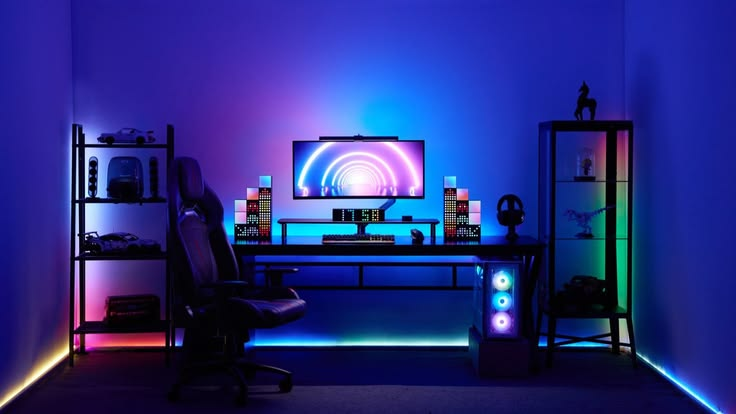
Selecting the right platform can make a major difference in the gaming experience. Different players have different requirements, so there is no single solution that works perfectly for everyone.
For example, competitive players may prioritize low latency, high frame rates, and precise controls. Casual players may prefer affordability and convenience. Someone interested in graphics-intensive games may need powerful hardware, while another player may simply want a device that supports their favorite titles.
Before making a decision, it is useful to consider the type of games you enjoy, your available budget, and how often you play.
Important Features to Compare
When comparing Gaming Platforms, several features deserve attention.
Game Library
The available game library is one of the most important considerations. A platform may have excellent hardware, but it will not be useful if it does not support the games you want to play.
Check whether your preferred games are available and whether the platform regularly receives new releases.
Performance
Performance can influence graphics quality, loading times, frame rates, and overall responsiveness. Players who enjoy visually demanding games should pay close attention to hardware capabilities.
PCs can offer extensive performance customization, while consoles provide standardized hardware designed for consistent performance.
Online Multiplayer
Online multiplayer has become a major part of modern gaming. Before choosing a platform, consider the quality of its online services, multiplayer features, communication options, and subscription requirements.
A reliable online experience is especially important for competitive and cooperative games.
Controllers and Accessories
Controls can significantly affect gameplay. Some users prefer traditional controllers, while others prefer a keyboard and mouse.
Additional accessories such as gaming headsets, steering wheels, specialized controllers, and other peripherals can also improve specific gaming experiences.
Price and Long-Term Value
Price should not be limited to the initial purchase. Players should consider game costs, subscriptions, accessories, upgrades, and other ongoing expenses.
A platform that appears inexpensive initially may become more expensive over time depending on how frequently the player purchases games or additional services.
Gaming Platforms and Online Communities
Gaming is no longer only about playing games alone. Online communities have become an important part of the experience.
Players can communicate with friends, join multiplayer communities, participate in tournaments, watch gaming content, and share their experiences online.
Many modern games also provide social features that allow players to create teams, communicate during matches, and build long-term communities.
A platform with strong social and multiplayer support can therefore provide more value than simply offering access to games.
Security and Privacy Considerations
Security is another important factor when using digital gaming services. Players may create accounts, purchase games, communicate with other users, and store payment information on gaming platforms.
Using strong passwords, enabling available security features, avoiding suspicious links, and downloading games from trusted sources can help protect accounts.
Parents and guardians should also pay attention to privacy controls and communication settings when younger players use online gaming services.
How to Choose the Best Platform
Choosing among different Gaming Platforms becomes easier when you identify your priorities first.
Start by making a list of the games you want to play. Then compare which platforms support those titles.
Next, consider your budget. Think about both the initial cost and possible long-term expenses.
You should also consider where you prefer to play. If you primarily play at home on a television, a console may be convenient. If you want flexibility and customization, a PC may be more suitable. For gaming while traveling, mobile devices can be practical.
Finally, consider performance, online multiplayer, game availability, accessories, and ease of use before making a decision.
The Future of Gaming Platforms
The gaming industry continues to develop rapidly. Improvements in hardware, cloud technology, artificial intelligence, internet infrastructure, and digital distribution are changing how people access games.
Cloud gaming may become more accessible as internet connections improve. Mobile gaming is also expected to remain an important part of the industry because smartphones are widely available.
At the same time, PCs and consoles will continue to appeal to players who want high performance, advanced graphics, and dedicated gaming experiences.
The future will likely involve greater integration between different devices and services, giving players more ways to access their favorite games.
Final Thoughts
Modern Gaming Platforms provide players with more choices than ever before. PCs, consoles, mobile devices, and cloud services each have their own strengths and limitations.
The best option depends on individual preferences, gaming habits, budget, performance expectations, and the games a player wants to experience. Instead of choosing a platform simply because it is popular, players should compare its game library, performance, online features, cost, controls, and long-term value.
By understanding these factors, gamers can make a more informed decision and choose a platform that fits their needs. As technology continues to advance, gaming will become even more accessible, connected, and diverse, giving players new ways to enjoy interactive entertainment.