Introduction
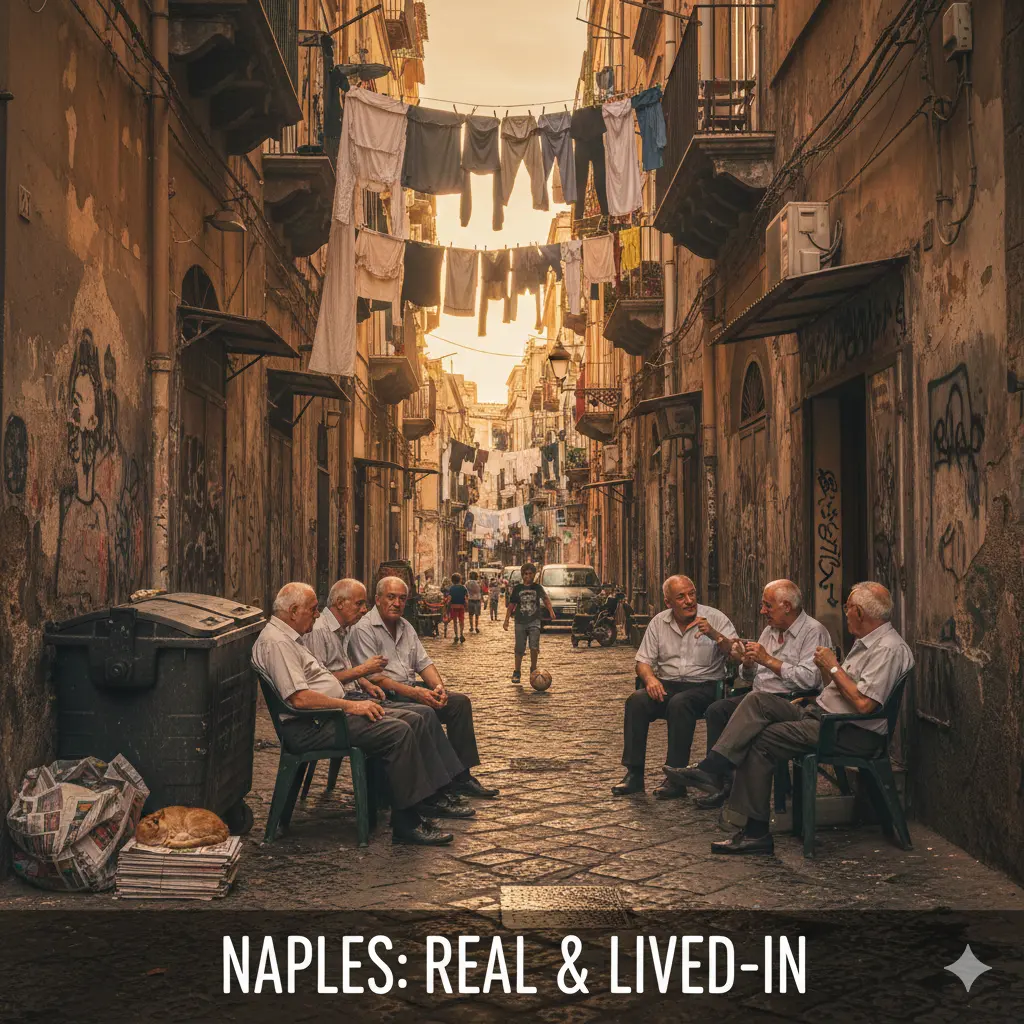
Non-tourist places in [City] that feel real are spaces built for everyday life, not for being photographed, reviewed, or ranked. These places feel different because they serve a purpose beyond entertainment.
As cities become increasingly optimized for visitors, many areas start to feel staged—busy, polished, and disconnected from daily routines. Non-tourist places offer the opposite experience. They show how people actually move, pause, and live in [City]. This article explains what makes a place feel real, how to recognize non-tourist spaces, and how to experience them respectfully without turning them into attractions.
Table of Contents
What “Real” Means in a City Context
Why Non-Tourist Places Feel Different
Types of Non-Tourist Places in [City]
How to Find These Places Without Searching
Common Misinterpretations (and Corrections)
Information Gain: The Performance Gap
Real-World Scenario: Blending Into Daily Life
Comparison Table: Tourist vs Spaces
FAQs
Conclusion
What “Real” Means in a City Context
“Real” doesn’t mean old, rough, or untouched. It means unperformed.
A real place in [City]:
Exists to be used, not noticed
Feels neutral, not exciting or disappointing
Has a steady rhythm instead of constant change
These places don’t try to impress. They simply work.
H3: Real vs Authentic (Not the Same Thing)
Authenticity is often marketed. Realness is rarely named.
H3: Why Real Places Feel Calmer
Because no one is trying to extract value from attention.
Why Non-Tourist Places Feel Different
Tourist areas are built around anticipation. Non-tourist places are built around repetition.
People know where they’re going
Movements are efficient
Interactions are brief but familiar
There’s less performance and more purpose.
[Expert Warning]
When a place starts “feeling real,” sudden attention often changes it permanently.
Types of Places in [City]
Non-tourist places usually fall into a few functional categories.
H3: Everyday Infrastructure
Bus stops, underpasses, shared courtyards, or footpaths people rely on daily.
H3: Routine Commercial Spaces
Bakeries, laundromats, cafés, or small stores that serve the same customers repeatedly.
H3: Nautral Public Spaces
Benches, quiet squares, and small parks where nothing is scheduled.
How to Find These Places Without Searching
Finding places requires behavioral awareness, not research.
H3: Follow Normal Timing
Visit areas during workdays and non-peak hours.
H3: Observe Body Language
People who belong move differently than people who visit.
H3: Notice the Lack of Instruction
Non-tourist places don’t tell you how to behave—you already know.
[Pro-Tip]
If you’re unsure whether a place is tourist-oriented, ask yourself: “Would someone come here twice a week?”
Common Misinterpretations (and Corrections)
Misinterpretation 1: Real Places Are Boring
Correction: They’re calm, not empty.
Misinterpretation 2: Real Places Are Unwelcoming
Correction: They’re neutral, not hostile.
Misinterpretation 3: Real Means Low Quality
Correction: Quality is consistent, not exaggerated.
[Money-Saving Recommendation]
places often offer better value because prices are built around regular use.
Information Gain: The Performance Gap
A key SERP gap: most guides don’t explain why tourist and non-tourist places feel different.
The difference is performance.
Tourist places perform for attention—menus, signage, music, and layout are optimized to impress quickly. Non-tourist places don’t perform. They assume familiarity.
From real observation, this lack of performance reduces stress, lowers costs, and creates a sense of belonging—even for outsiders who blend in.
Real-World Scenario: Blending Into Daily Life
In practical situations, the most “real” moment often comes when no one notices you. Sitting in a small park where people pass through without acknowledgment. Standing in line where nobody explains the rules.
That absence of guidance is the signal—you’re in a place designed for people who already belong.
Tourist vs Non-Tourist Spaces (Comparison Table)
| Aspect | Tourist Spaces | Non-Tourist Spaces |
| Primary Purpose | Entertainment | Daily function |
| Atmosphere | Curated | Neutral |
| Pricing | Demand-driven | Stable |
| Behavior | Observational | Participatory |
| Repeat Visits | Rare | Frequent |
Contextual YouTube Embeds (Playable)
FAQs
What makes a place non-tourist?
It serves daily needs rather than visitor expectations.
Are non-tourist places open to visitors?
Yes, when visitors adapt to local norms.
Why do non-tourist places feel calmer?
Because they aren’t designed to attract attention.
Can non-tourist places become touristy?
Yes, especially after online exposure.
Are non-tourist places cheaper?
Often, due to pricing for regular customers.
Conclusion
Non-tourist places in [City] feel real because they aren’t trying to be anything else. They exist to support daily life, not to compete for attention. When you learn how to recognize neutrality, repetition, and lack of performance, you stop consuming the city—and start participating in it.
Internal link
An Alternative Travel Guide to [City] Beyond Tourist Lists – Poison Magazine | Daily Dose of Culture, Fashion, and Trending Topics
external link
https://we3travel.com/17-tourist-cities-that-look-amazing-online-but-disappoint-in-real-life

![[City] overrated](https://poisonmagazine.com/wp-content/uploads/2026/01/Is-City-Overrated-or-Underrated-A-Local-Perspective-214x140.png "Is [City] Overrated or Underrated? A Local Perspective")